 Health
 Making Sense of The Many Meanings Of A Healthy Diet, Starting Today
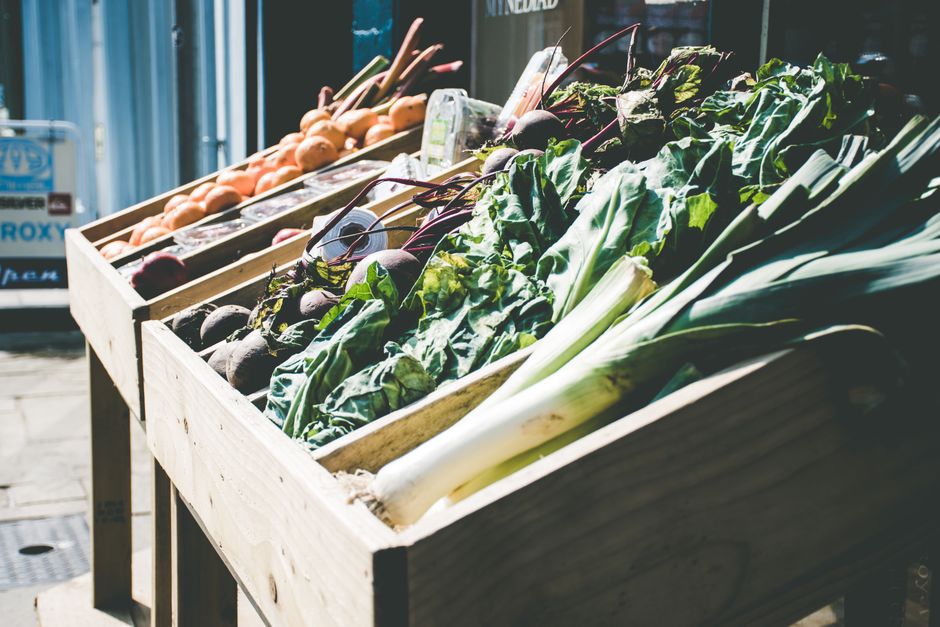
When time is tight, the many meanings of a healthy diet works best as small actions folded into what you already do. None of this is complicated, and none of it needs to be expensive. Here is a grounded, practical look at the many meanings of a healthy diet that fits into a real, busy life.
The time-poor reality
A diet also has to be lived. Sustainability outweighs theoretical optimality, because the pattern that is followed for thirty years beats the pattern that is followed for eleven weeks. Cultural acceptability, cost, preparation time, and pleasure are therefore nutritional considerations rather than distractions from them.
Small changes like these are easy to underestimate, yet they are exactly what add up over months and years.
Quick wins that fit any schedule
Put simply, two other points deserve mention. Eating is social, and a regime that makes shared meals impossible imposes a cost on health through a different door. And the relationship with food makes a difference as much as its content: chronic guilt, restriction, and preoccupation are themselves harmful, regardless of what is on the plate.
What matters most is fitting this around your real routine, so it becomes something you barely have to think about.
Habits that take seconds
The reasonable summary has been available for a long time. Eat food, mostly plants, not too much, with many people, and stop worrying beyond that unless a clinician has given you a specific reason to.
None of this has to happen all at once; even one small adjustment in this area tends to pay off over time.
Doing less, but consistently
On a day-to-day level, there is no single healthy diet, which is an unsatisfying conclusion that decades of research keep producing. Populations with very different eating patterns achieve good outcomes. What they share is more informative than what distinguishes them. This aligns with information from MedlinePlus, from the U.S. National Institutes of Health.
Give yourself room to be imperfect here; a missed day is an event, not a reason to give up.
Protecting the little time you have
It helps to remember that the common features are unremarkable. Plants make up a large proportion, in a variety of forms. Meals are assembled from recognisable ingredients rather than manufactured products. Protein is present. Fibre is substantial. Sugar is a component rather than a foundation. Portions correspond to appetite. Food is frequently eaten with other many people, slowly, and not while doing anything else.
If you remember only one thing here, let it be that steady, repeatable habits beat short bursts of effort.
Making it automatic
Around this core, the variation is enormous — high fat, low fat, meat, no meat, grains, fish. The insistence that one of these is uniquely correct rarely survives contact with the evidence, and the fervour with which it is asserted is usually a signal about something other than nutrition.
What matters most is fitting this around your real routine, so it becomes something you barely have to think about.
Practical tips
Here are a few easy places to start:
- Start small and stay consistent rather than aiming for a dramatic change.
- Protect your sleep, since it quietly makes everything else easier.
- Give any change a few weeks before judging whether it is helping.
- Aim for good enough on busy days instead of skipping entirely.
The bottom line
Take it one small step at a time. The best approach is the one you can keep going with. Start where you are and build slowly from there.
Frequently asked questions
How long before I notice a difference?
It varies from person to person. Give any new habit a few weeks of consistency before deciding whether it is working for you.
Is this relevant if I'm just starting out?
Yes. You can begin with one small change and build from there. With the many meanings of a healthy diet, steady progress beats trying to do everything at once.
Do I need special equipment or money?
No. Most of what helps is free or low-cost, and the simplest options are usually the ones people stick with.
Is this suitable for busy people?
Yes. Most of the ideas here fold into things you already do each day, so they take little extra time.